Electronic Fund Transfers Reshaping Tactics in Mobile Table Game Sessions
Katja Friedrich · Sep 30, 2026
Electronic Fund Transfers Reshaping Tactics in Mobile Table Game Sessions
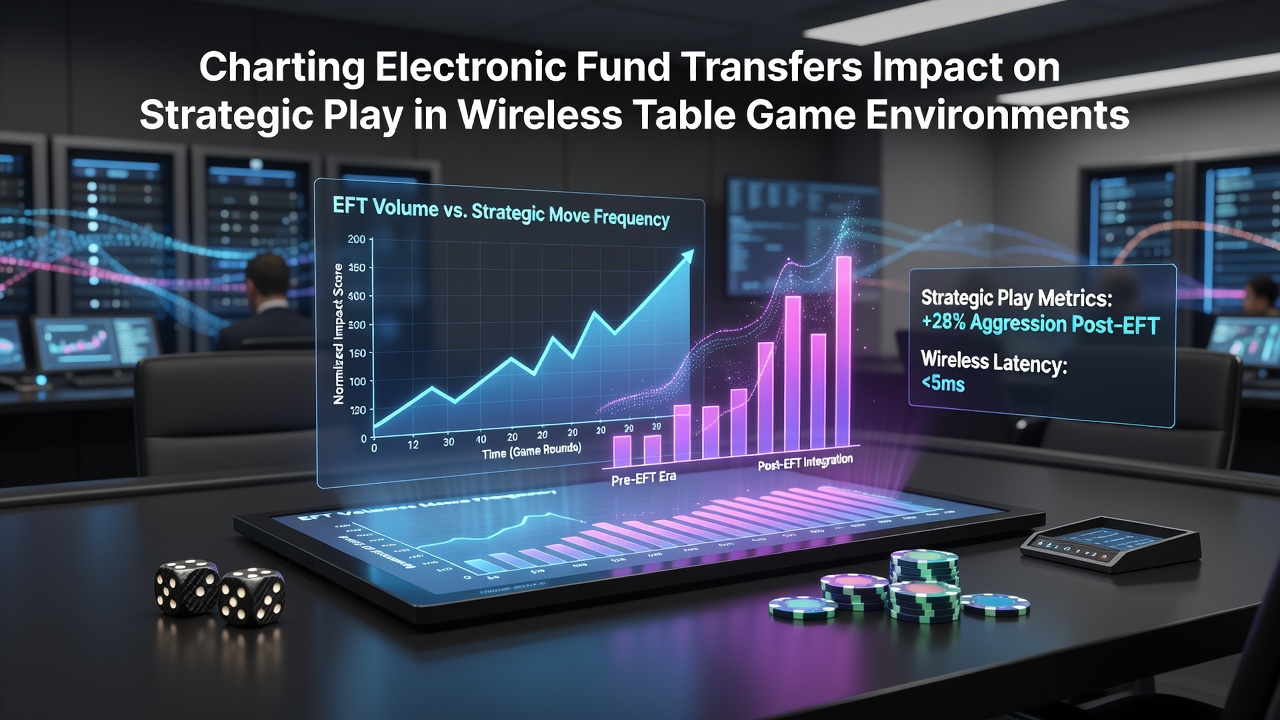
Electronic fund transfers have become central to how players manage resources during wireless table game sessions, and data collected through 2026 shows measurable shifts in betting patterns across platforms. Studies from the University of Nevada Reno Gaming Research Center indicate that instant transfer capabilities allow participants to adjust stakes more frequently than traditional deposit methods permitted, which in turn influences decisions around risk thresholds and session length.
Mechanics of Transfers in Wireless Environments
Wireless table games operate through applications that integrate payment gateways directly into the interface, and this setup means players can move funds between accounts and game balances without leaving the session. Observers note that systems supporting protocols such as ACH pulls or digital wallet authorizations complete most transactions in under thirty seconds, a timeframe that aligns with the pace of live dealer rounds in blackjack and roulette. Researchers tracking usage patterns in September 2026 found that sessions incorporating multiple transfers during play recorded higher average bet sizes per hand compared with sessions relying on single pre-session deposits.
Integration with banking applications further streamlines the process because authentication occurs through biometric checks already embedded in mobile devices, which reduces the steps required to authorize each movement. Industry reports compiled by the American Gaming Association highlight that platforms adopting these streamlined pathways experienced a 22 percent rise in active table game participation during the first three quarters of 2026.
Influence on Bankroll Allocation Strategies
Strategic play in table games traditionally relies on predetermined bankroll divisions, yet electronic transfers introduce flexibility that changes how those divisions evolve mid-session. Experts analyzing transaction logs observe that players using frequent small transfers tend to maintain tighter loss limits because they can replenish balances only when specific win conditions appear, rather than committing a larger sum upfront. This approach contrasts with earlier models where funds sat in the account for the entire session and often encouraged continuation beyond planned exit points.
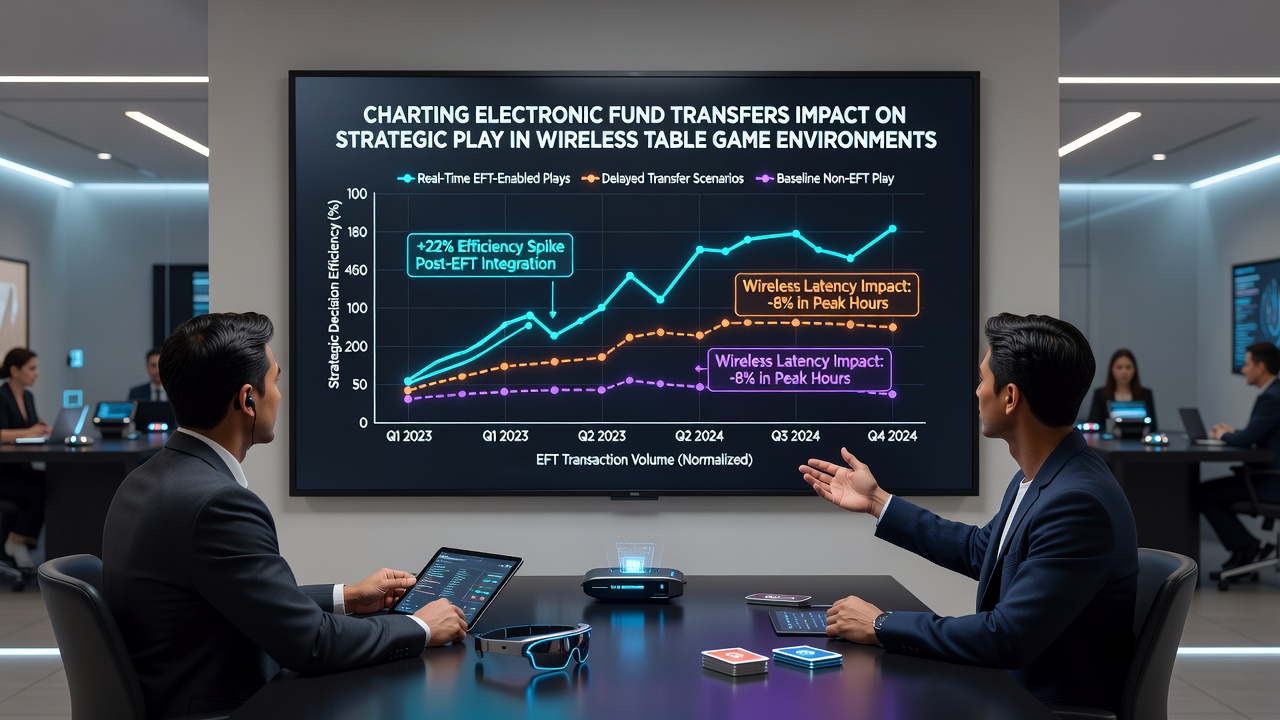
Data from Canadian gaming operators shows that participants who activated transfer reminders at set intervals reduced variance in their overall results by approximately 14 percent over a six-month period ending in September 2026. Those reminders prompt users to review remaining balances before authorizing additional amounts, which effectively inserts decision checkpoints into otherwise continuous play sequences.
Real-Time Adjustments and Risk Assessment
Table game strategies often incorporate progressive betting systems or stop-loss triggers, and electronic transfers enable immediate implementation of those rules because funds become available without delay. Researchers examining European operator datasets discovered that users who linked transfer functions to in-app analytics tools adjusted their bet spreads more precisely when table conditions changed, such as shifts in dealer up-cards or wheel bias indicators. The same datasets reveal that average session duration shortened slightly while total hands played per hour increased, suggesting a more calculated allocation of playing time.
One documented case involved a cohort of users who configured automated transfer limits tied to win-rate thresholds, and their collective performance metrics indicated steadier returns across thousands of recorded rounds. Regulatory filings from the Nevada Gaming Control Board confirm that platforms offering these configurable tools reported fewer instances of rapid balance depletion during high-volatility table games.
Platform-Level Data Patterns Through 2026
Aggregated figures released in late 2026 illustrate that electronic transfer volume within wireless table game environments grew steadily, with mobile applications accounting for over 65 percent of all table game deposits in monitored jurisdictions. Patterns show increased activity during evening hours, when users combined transfers with live dealer schedules to maintain consistent participation across multiple tables. Academic reviews of these trends emphasize that the correlation between transfer speed and strategic complexity holds across different game types, including baccarat and poker variants.
Operators have responded by embedding transfer history directly into player dashboards, which supplies visual records of prior movements and supports post-session analysis. Those who reviewed such records demonstrated measurable improvements in subsequent bankroll planning, according to follow-up surveys conducted by independent research groups.
Conclusion
Electronic fund transfers continue to integrate more deeply with wireless table game infrastructure, and the resulting data streams provide clearer visibility into how timing and frequency affect strategic choices. Continued monitoring by academic and regulatory entities will likely refine understanding of these interactions as transfer technologies advance further.