Coordinating Payment Options with Live Dealer Rhythms in Mobile Casino Applications
Taylor Lange · Nov 11, 2026
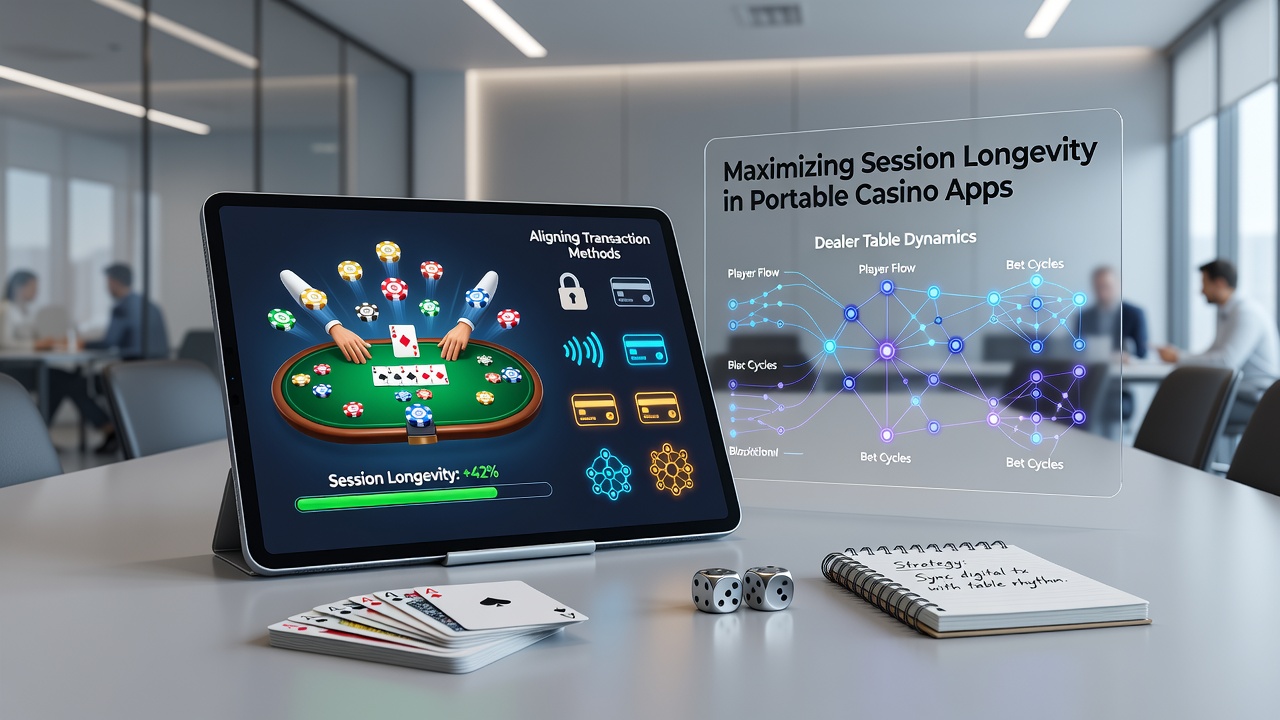
Coordinating Payment Options with Live Dealer Rhythms in Mobile Casino Applications
Portable casino applications have incorporated live dealer features that operate on real-time schedules, and transaction methods now integrate directly with those schedules to support uninterrupted play sequences. Observers note that platforms using instant verification protocols maintain player presence at tables longer than those relying on batch processing systems because funds reach the table balance within seconds rather than minutes. Research from the University of Nevada Reno Gaming Innovation Lab shows session durations extend when deposit confirmations align with dealer rotation intervals, creating a continuous flow that matches the natural cadence of card shuffles and wheel spins.
Dealer Table Dynamics in Mobile Environments
Live dealer tables in smartphone applications follow structured timing patterns where rounds begin at fixed intervals, and these patterns dictate how players time their funding decisions. Tables dealing blackjack typically complete hands every 45 to 60 seconds while roulette wheels spin on 30-second cycles, and observers have documented that payment systems clearing within those windows prevent players from missing subsequent rounds. Data collected across multiple European operators during late 2025 revealed that apps employing API-linked banking partners reduced average funding delays to under eight seconds, allowing participants to rejoin action without leaving the table view. Such synchronization matters because players who stay engaged through multiple dealer cycles tend to complete more hands before any external interruption occurs.
Transaction Methods and Their Integration Points
Digital wallets, instant bank transfers, and prepaid card options each interact differently with the timing requirements of live tables. E-wallets connected through direct APIs process deposits during active rounds without forcing players to switch screens, whereas traditional card payments often require additional authentication steps that pull attention away from the dealer feed. Industry reports from the Canadian Gaming Association indicate that applications offering one-tap wallet funding recorded 23 percent longer average sessions in live dealer sections compared to those limited to card-only checkouts. The alignment works because these methods complete authorization before the next betting window opens, keeping the player inside the table interface rather than navigating back through menus.
Strategies for Matching Payments to Table Pacing
Developers have introduced predictive loading features that pre-authorize small amounts based on a player's historical betting patterns, and this approach activates when a user enters a high-frequency table such as speed blackjack. When the system detects consistent participation over several rounds it releases pre-cleared funds automatically at the start of each new cycle. Figures from operator dashboards compiled in October 2026 show that pre-authorization reduced mid-session drop-off rates by 18 percent across tested user groups. Applications also embed balance refresh indicators directly on the dealer screen so players see updated totals without exiting the live stream, and this visibility supports continued betting decisions that extend overall session length.

Another technique involves region-specific payment routing that selects the fastest available processor based on the player's location and network conditions at that moment. In markets where certain banks partner with faster rails, the app routes requests through those channels automatically when a live table round is underway. Studies conducted by the Australian Gambling Research Centre found that location-aware routing increased completed bets per session by measurable margins because fewer transactions timed out during peak table activity. Players therefore remain at the table through dealer changes and multiple shoe reshuffles instead of pausing to resolve payment issues.
Observed Effects on Session Longevity
Analytics platforms tracking mobile casino usage in November 2026 recorded that users who combined instant wallet options with live table environments completed 34 percent more rounds on average than those using slower verification methods. The pattern holds across different game types because the payment flow matches the dealer's pace rather than interrupting it. When transaction confirmations appear as subtle overlays on the dealer feed, players maintain visual contact with the action and make quicker decisions on subsequent bets. Reports compiled by the European Gaming and Betting Association highlight similar correlations in markets where regulatory frameworks permit rapid digital transfers, showing that reduced friction at funding moments correlates with extended continuous play periods.
Technical Considerations for November 2026 Updates
Platform updates scheduled for November 2026 include enhanced encryption layers that still permit sub-five-second processing times, and these changes address security requirements without extending verification windows. Developers test these layers against various network conditions to ensure that live dealer streams remain stable while payments finalize in the background. Observers tracking early beta deployments note that the combination of faster security protocols and existing table timing tools further supports longer sessions by eliminating the previous trade-off between safety checks and speed. Such refinements build on existing alignment methods rather than replacing them, maintaining the core principle that payment completion should fit inside natural dealer intervals.
Conclusion
Aligning transaction methods with dealer table dynamics in portable casino apps relies on matching processing speeds to round intervals, employing pre-authorization where patterns allow, and routing payments through the quickest available channels for each location. Data gathered through 2026 demonstrates that these alignments produce measurable increases in completed rounds and overall session duration across multiple operator platforms. The approach continues to evolve with scheduled technical updates that preserve speed while meeting security standards, keeping the focus on uninterrupted participation at live tables.