Banking Security Frameworks Meet Roulette Tactics in No-Deposit Mobile Applications
Taylor Lange · Oct 14, 2026
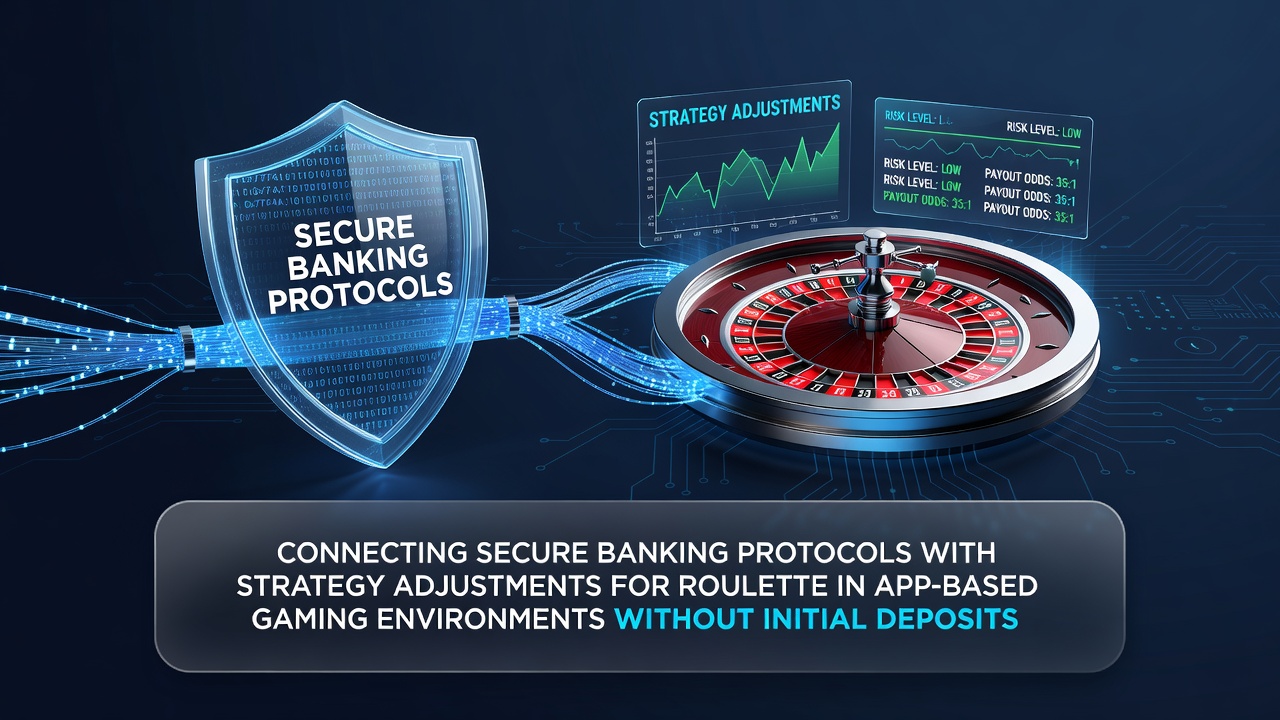
Banking Security Frameworks Meet Roulette Tactics in No-Deposit Mobile Applications
Secure banking protocols now form the backbone of app-based roulette play that requires no initial deposits, allowing users to access bonus funds through verified payment channels that prioritize encryption and tokenization. These systems rely on standards such as TLS 1.3 and multi-factor authentication, which researchers at institutions like the University of Nevada Reno have examined in studies on mobile transaction safety. Data from industry reports indicate that such measures reduce unauthorized access incidents by significant margins while supporting seamless bonus activation in October 2026 environments.
Core Elements of Protected Banking in Gaming Apps
App developers integrate token-based payments and biometric verification to handle no-deposit transactions, ensuring that player details remain isolated from game servers through compartmentalized architecture. This setup connects directly to roulette strategy adjustments because verified accounts unlock bonus credits that follow strict wagering rules without exposing users to full financial risk. Observers note that platforms employing these protocols often report higher retention rates, since participants can test wheel-based systems like adjusted Martingale progressions or sector targeting without committing personal funds upfront.
Payment gateways further incorporate real-time fraud detection algorithms that cross-reference device fingerprints with account histories, creating layers of defense that align with regulatory expectations in various jurisdictions. Those who have analyzed transaction logs find that these checks enable quicker bonus releases, which in turn lets players refine betting sequences based on live wheel data rather than simulated outcomes.
Adjusting Roulette Approaches for Bonus-Driven Play
Strategy modifications in no-deposit scenarios emphasize smaller initial wagers and extended session tracking to meet playthrough thresholds efficiently. Experts have observed that traditional progression systems require scaling down when applied to bonus balances, since maximum bet caps frequently apply and loss limits protect the credited amounts. One documented case involved analysts reviewing app telemetry, where participants shifted from aggressive column bets to balanced inside-outside combinations that preserved capital across more spins.
Turns out these adjustments also incorporate volatility awareness, with users monitoring payout patterns through in-app tools that display recent results alongside account balances. Because no initial deposits limit exposure, players often experiment with wheel bias detection techniques or neighbor betting patterns that would otherwise demand higher stakes, all while secure protocols validate each interaction without additional verification hurdles.

Integration Points Between Protocols and Tactics
Connections emerge when banking security features trigger automatic strategy prompts within the app, such as suggested bet sizing based on remaining bonus time or remaining wagering requirements. Research indicates that apps using API-linked security layers allow real-time updates to these prompts, helping participants avoid common pitfalls like over-betting on single numbers during bonus phases. What's interesting is how device-level encryption supports uninterrupted play even during network shifts, letting roulette tactics evolve mid-session without session resets.
Industry organizations including the American Gaming Association have documented similar patterns in mobile environments, where protected transactions correlate with more deliberate betting adjustments. Players receive notifications about protocol status that coincide with strategy recalibration opportunities, creating a feedback loop that keeps sessions aligned with bonus terms.
Regional Variations and October 2026 Developments
Approaches differ across markets, with North American platforms emphasizing PCI-DSS compliance alongside strategy interfaces that highlight safe progression paths, while European operators focus on eIDAS standards that streamline cross-border bonus access. A report from the Australian Communications and Media Authority highlights how these frameworks support deposit-free roulette modules that adapt to local data protection rules. In October 2026, several app providers rolled out enhanced protocol updates that tied directly to refined wheel analysis tools, allowing users to layer probability calculations onto verified bonus accounts.
Those who've tracked adoption rates note that such integrations reduce friction between banking validation and gameplay decisions, fostering environments where participants test varied roulette layouts without repeated logins or security prompts interrupting flow.
Conclusion
Secure banking protocols and roulette strategy adjustments intersect in no-deposit mobile settings through shared emphasis on verification speed, risk containment, and data-driven refinements. Evidence from transaction studies and app performance metrics shows that these elements together enable sustained engagement while maintaining compliance across different regulatory landscapes. The result appears in platforms that deliver both protected access and adaptable wheel tactics within single user flows.